MIL-STD-1330 Explained: Why Oxygen Cleaning Is Essential
In high-pressure oxygen systems, cleanliness is not simply a quality requirement. It is a critical factor in safety, reliability, and long-term system performance.
What Is MIL-STD-1330?
MIL-STD-1330 is a military standard that establishes cleanliness requirements for systems intended for oxygen service. While originally developed for military ap plications, its principles are widely adopted across industries where oxygen-system safety and contamination control are critical.
The standard provides guidance on cleaning, inspection, handling, packaging, and verification practices designed to minimize contaminants that could compromise equipment performance or contribute to ignition hazards.
At its core, MIL-STD-1330 recognizes a simple but important reality: maintaining cleanliness throughout the lifecycle of an oxygen system is one of the most effective ways to improve safety and reliability.
Why Oxygen Cleaning Matters?
Oxygen-rich environments behave very differently from conventional industrial gas applications. As oxygen concentration and operating pressure increase, so does the potential for combustion.
Contaminants such as oils, greases, hydrocarbons, machining residues, and particulate matter can become fuel sources under the right conditions. When combined with ignition mechanisms such as adiabatic compression, mechanical friction, or particle impact, these contaminants can contribute to oxygen-system fires capable of causing significant equipment damage and disruption.
This is why oxygen cleaning has become a fundamental requirement for many high-pressure oxygen applications. By removing contaminants before a system enters service, organizations can help reduce risk while supporting reliability and equipment longevity.
For manufacturers and operators of critical systems, oxygen cleaning should be viewed not simply as a compliance exercise, but as a proactive investment in system safety.
Common Sources of Oxygen-System Contamination
Impurities can be introduced at virtually every stage of a product's lifecycle.
During manufacturing, machining oils, cutting fluids, polishing compounds, and processing residues can remain on component surfaces. Dust, fibers, and microscopic metal particles may also become trapped within valves, regulators, tubing assemblies, and pressure-control equipment.
Contamination is generally categorized into three primary groups:
- Organic contaminants such as hydrocarbon oils, greases, and VOC residues
- Inorganic contaminants including detergents, cutting fluids, acids, and processing chemicals
- Particulate contaminants such as dust, fibres, lint, weld slag, and metallic particles
Effective oxygen-cleaning programmes are designed to identify and remove each category before equipment enters oxygen service.
Even after cleaning is complete, particles, residues, and other unwanted materials can be reintroduced during handling, transportation, storage, assembly, or maintenance. That is why effective oxygen-service preparation requires more than cleaning alone. It demands a disciplined approach to cleanliness management from initial cleaning through to final installation.
Organizations working with critical oxygen systems often seek suppliers that can support both oxygen cleaning and controlled assembly processes to help maintain cleanliness throughout the entire production cycle.
Oxygen Cleaning vs Oxygen Cleanliness
Aspect | Oxygen Cleaning | Oxygen Cleanliness |
Meaning | The process used to remove contaminants from equipment intended for oxygen service. | The verified condition of a component after contaminants have been removed and cleanliness has been preserved. |
Main objective | Remove oils, greases, hydrocarbons, particulate matter, machining residues, and other contaminants that could create oxygen-service risks. | Confirm and maintain a cleanliness level suitable for oxygen service through controlled handling, assembly, inspection, and packaging. |
When it applies | During the cleaning stage before equipment or components are released for oxygen-service use. | After cleaning and throughout all subsequent steps, including handling, assembly, inspection, storage, transportation, and installation. |
Why it matters | Cleaning reduces the presence of potential fuel sources and helps prepare equipment for oxygen-service applications. | Cleanliness ensures the cleaned condition is not lost before the component or system enters operation. |
Key takeaway | Oxygen cleaning is the action taken to remove contamination. | Oxygen cleanliness is the controlled and verified state that must be preserved after cleaning. |
What Equipment Typically Requires Oxygen Cleaning?
Many types of equipment intended for oxygen service benefit from oxygen cleaning and contamination-control processes.
This includes oxygen boosters, oxygen compressors, oxygen filling systems, gas distribution panels, regulators, valves, pressure-control equipment, tubing assemblies, leak-testing equipment, and complete high-pressure oxygen systems.
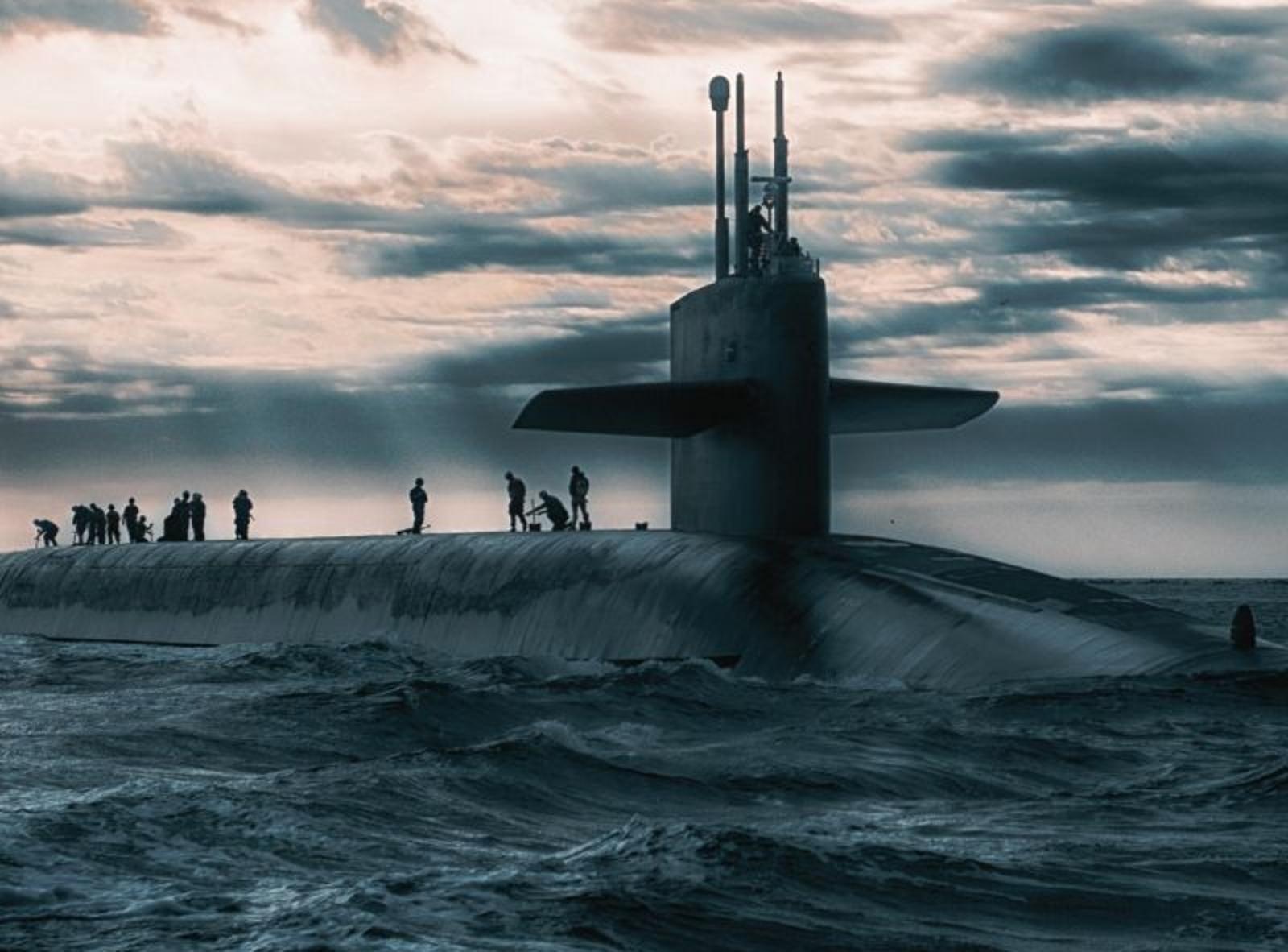
In aerospace and defense environments, oxygen-cleaning requirements frequently extend beyond individual components to include fully assembled systems, test benches, ground-support equipment, launch-support infrastructure, and mission-critical oxygen-service applications.
Understanding the Risks of Improper Cleaning
The consequences of insufficient control of particles, residues, and other unwanted materials can be significant.
Impurities travelling through a high-pressure oxygen system can generate enough energy to trigger particle impact ignition. Rapid valve opening or sudden system pressurization can create localized temperature increases through adiabatic compression, while friction between moving components can create additional ignition sources.
When contaminants are present, the likelihood of combustion increases substantially.
Beyond immediate safety concerns, incidents caused by particles, residues, or other unwanted materials can lead to equipment downtime, increased maintenance costs, project delays, and reduced operational readiness. In industries such as aerospace, military testing, industrial gas production, and advanced manufacturing, the consequences of compromised cleanliness can be just as costly as the resulting equipment damage.
Cleanliness Verification Matters
MIL-STD-1330 is not solely focused on cleaning processes. Verification is equally important. Industry best practices frequently incorporate particulate analysis, cleanliness inspections, rinse-water evaluation, and documented quality procedures to confirm that cleaning objectives have been achieved.
Verification activities help ensure contamination has been removed rather than simply relocated during cleaning, providing greater confidence before equipment enters service.
Why Cleaning Alone Is Not Enough?
One of the biggest misconceptions surrounding oxygen-service preparation is that cleaning is the final step.
Maintaining cleanliness after cleaning is often just as important as the cleaning process itself. Components that leave a cleaning facility in a suitable condition for oxygen service can quickly become re-contaminated if they are assembled, inspected, or tested in uncontrolled environments.
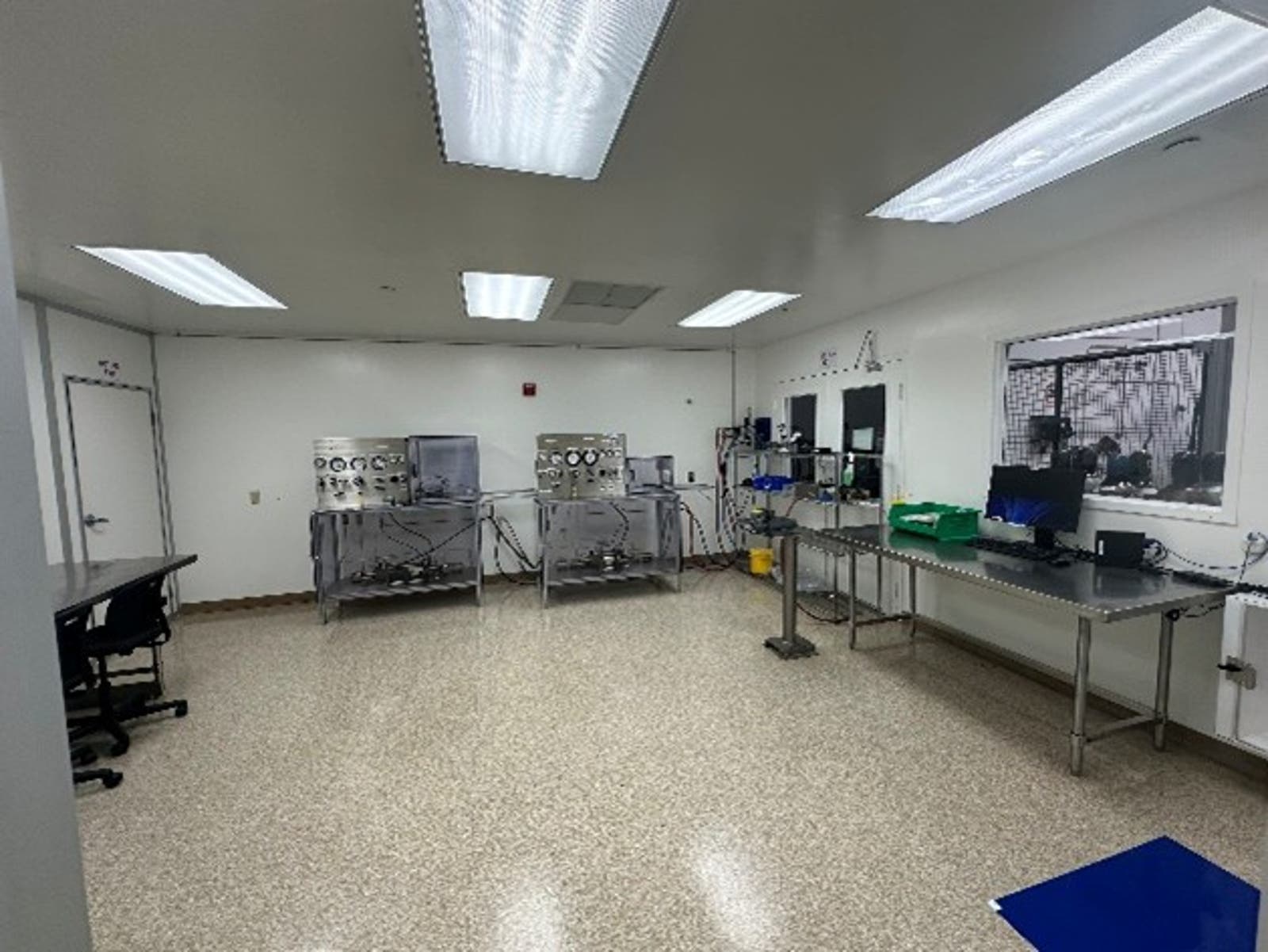
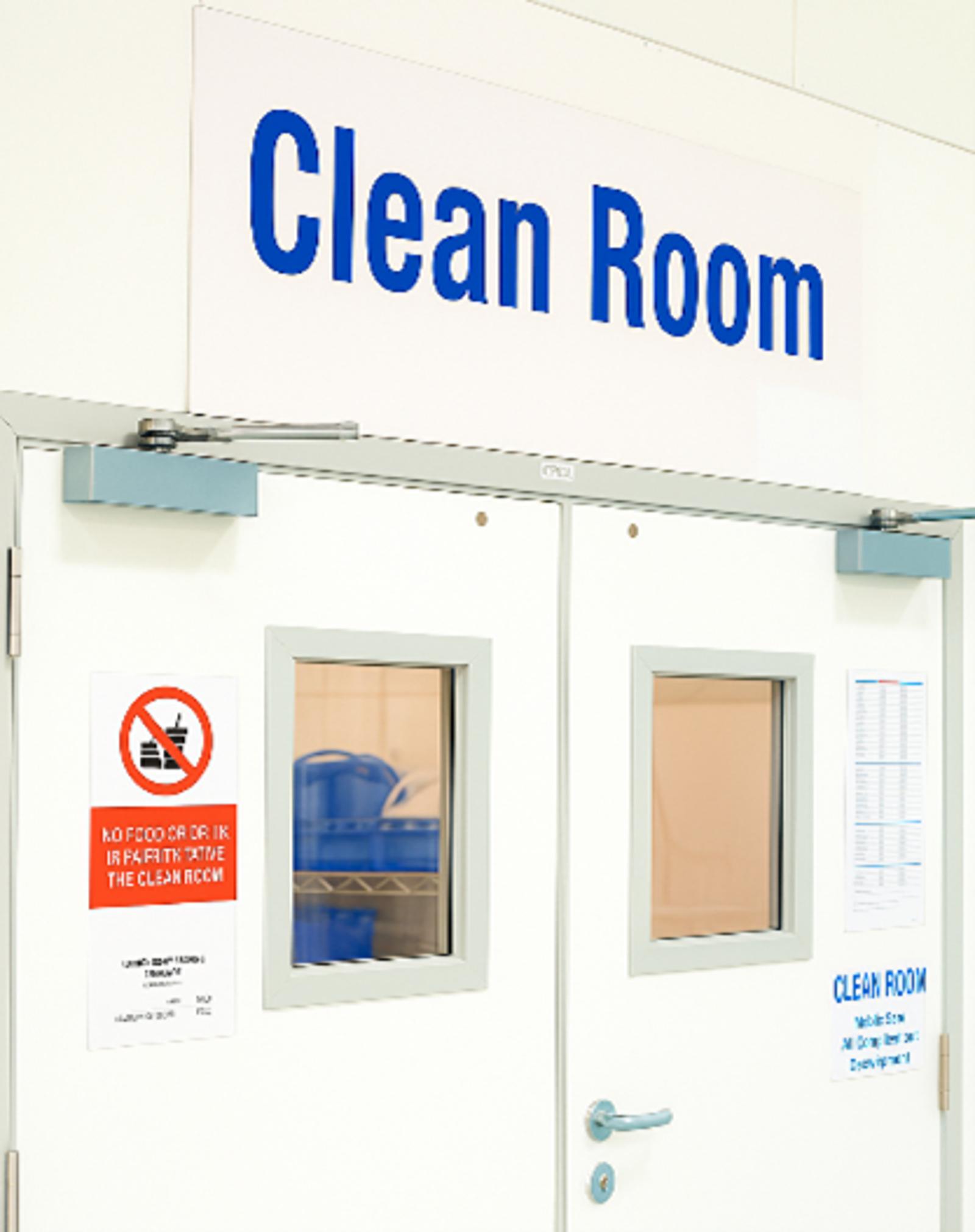
For this reason, many organizations incorporate cleanroom assembly and cleanliness-control procedures into their oxygen-service programs. Controlled handling, inspection, validation, packaging, and documentation processes help preserve cleanliness throughout the assembly cycle and reduce the risk of particles, residues, or other unwanted materials being introduced before equipment enters operation.
This system-level approach is becoming increasingly important in industries where reliability and safety expectations continue to rise.
Industry best practices also recognise that cleanliness can be lost after cleaning. Components that meet oxygen-clean requirements may become compromised during handling, testing, transportation, or storage if appropriate contamination-control measures are not maintained. This is why controlled assembly environments and protective packaging are often considered critical elements of an effective oxygen-service programme.
The Role of Cleanroom Assembly
As oxygen-system requirements become more demanding, many organizations look for suppliers capable of supporting the entire cleanliness-control process.
While numerous providers offer oxygen cleaning services, far fewer can combine oxygen precision cleaning, cleanroom assembly, system integration, functional testing, inspection, validation, and documentation support within a single controlled environment.
This integrated model helps maintain cleanliness standards throughout production while simplifying project management for customers. Instead of moving equipment between multiple service providers, organizations can benefit from a more streamlined process that protects component cleanliness and improves traceability from start to finish.
Haskel's cleanroom assembly capabilities are designed around this philosophy. By combining oxygen cleaning with controlled assembly and testing processes, the company helps customers reduce recontamination risks while supporting demanding oxygen and high-purity gas applications.
Looking Beyond Compliance
Although MIL-STD-1330 is often discussed as a cleanliness standard, its broader value lies in risk reduction.
Organizations that prioritize oxygen-system cleanliness are not merely working towards a specification. They are taking practical steps to improve system reliability, extend equipment life, reduce maintenance requirements, and protect personnel from avoidable hazards.
As oxygen-service applications become increasingly sophisticated, a comprehensive contamination-control strategy remains one of the most effective ways to reduce risk before equipment is placed into service.
Reach Out To Us