

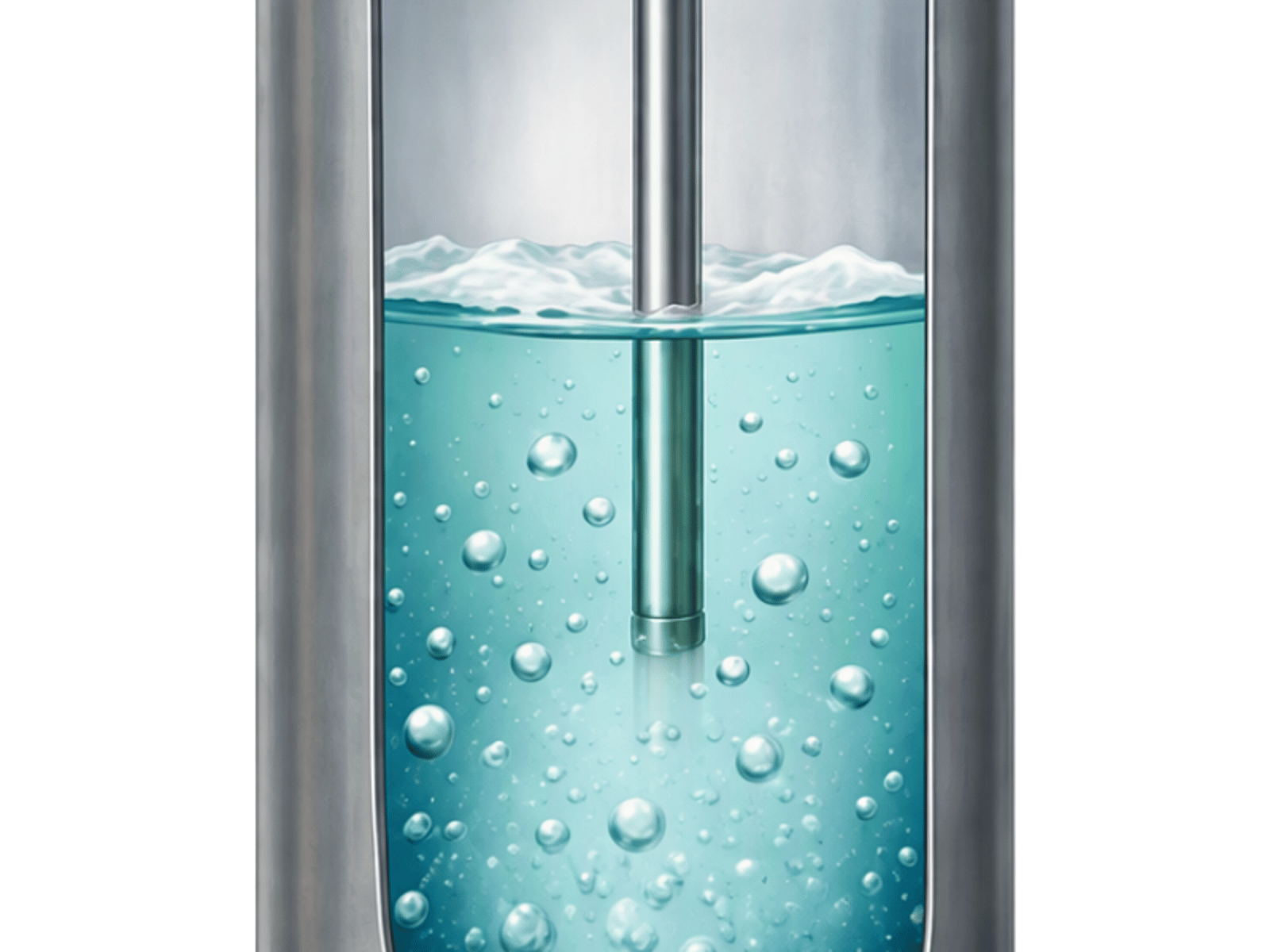
Handling Liquefied Carbon Dioxide (LCO₂)
Liquefied carbon dioxide (LCO₂) is a critical industrial fluid used across a wide range of industries due to its favorable safety profile, high storage density, and predictable thermodynamic behavior. While its commercial applications are well established, the method by which LCO₂ is stored, particularly whether it is maintained at ambient temperature or under refrigeration, has a significant impact on system design, pumping performance, and operational reliability.
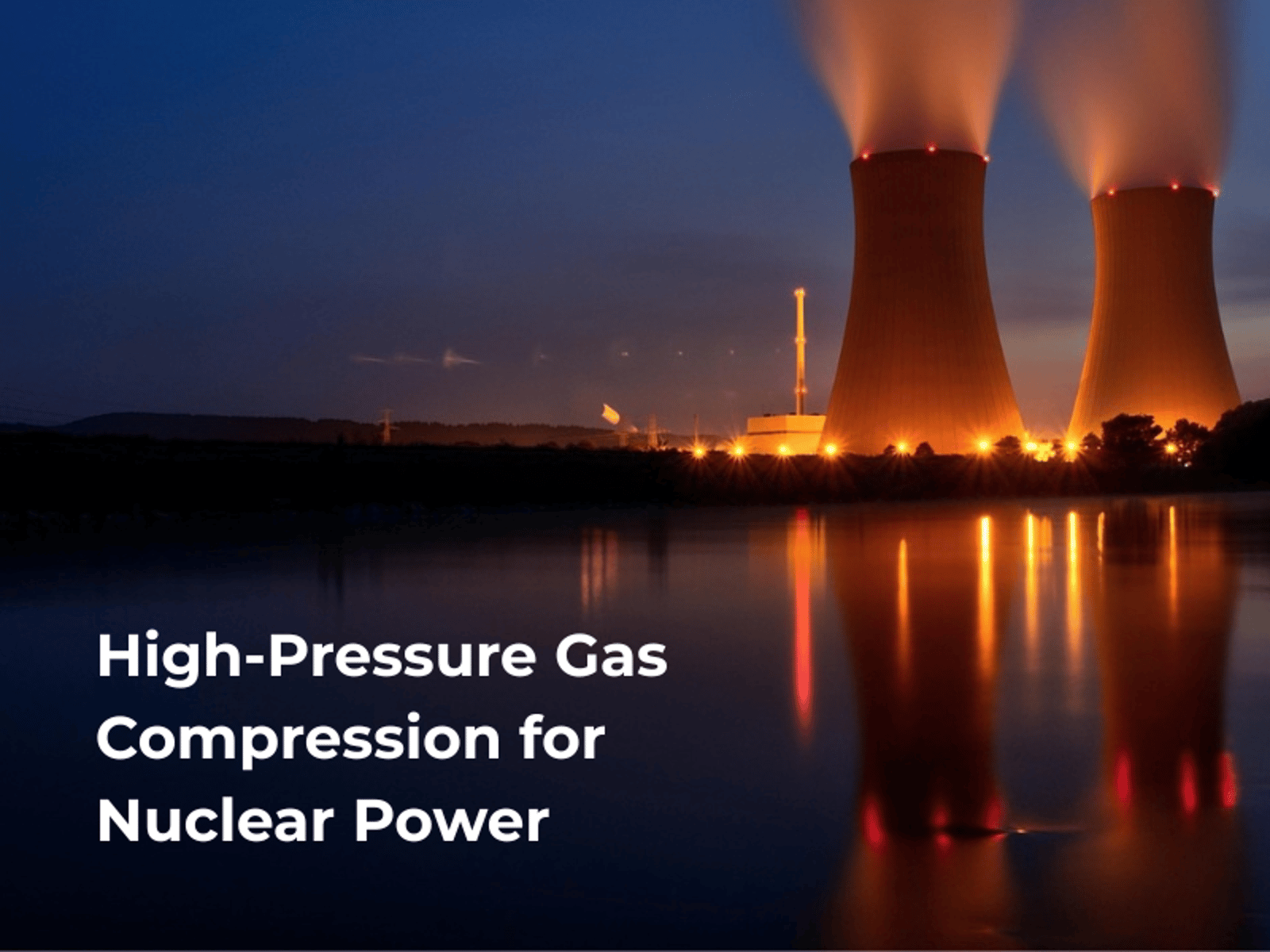
High-Pressure Gas Compression for Nuclear Power
The global nuclear industry is experiencing a significant resurgence. Driven by decarbonization targets, energy security concerns, and the need for reliable baseload power, nuclear energy is increasingly being recognized as a critical component of future energy systems. Governments and utilities worldwide are extending the life of existing reactor fleets while investing in new large-scale plants, Small Modular Reactors (SMRs), and advanced reactor technologies.
What Causes Oxygen System Fires?
When engineers think about fire hazards, they often think about sparks, open flames, or electrical faults. However, in oxygen-service environments, some of the most significant risks can come from sources that are virtually invisible.
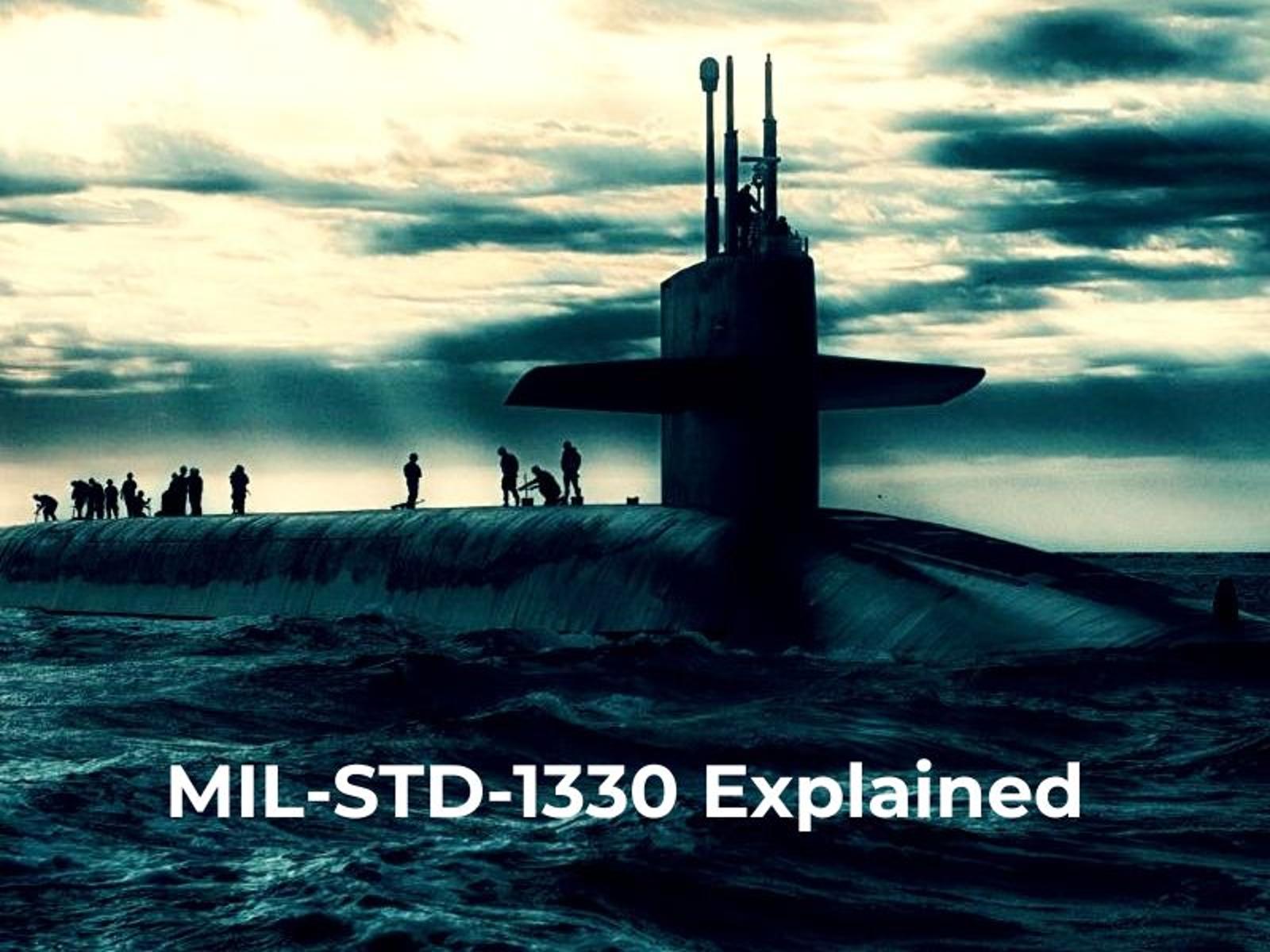
MIL-STD-1330 Explained: Why Oxygen Cleaning Is Essential
In high-pressure oxygen systems, cleanliness is not simply a quality requirement. It is a critical factor in safety, reliability, and long-term system performance.

High-Pressure Fluid Power for Safer Upstream Oil & Gas
The upstream oil and gas industry is operating in increasingly demanding environments. As accessible reserves decline, operators are moving further offshore into deepwater, ultra-deepwater and high-pressure/high-temperature developments. Today, many offshore assets operate in water depths greater than 1,500 metres, with some developments approaching 3,000 metres. Deepwater fields now account for an estimated 40-45% of global offshore oil production.

High Purity Under Pressure: Haskel’s Cleanroom Capability for Defence
In defence, the most important systems are often the ones most people never see.
They sit inside armoured vehicles, support aircraft on the ground and in the air, operate within naval systems, and play a role in space programmes where every component must perform with absolute confidence. In these environments, pressure is more than a technical requirement. It is a measure of safety, reliability and trust.

API 6A/17D‑Qualified BuTech Subsea Valves for Deepwater Performance

Haskel Keeps You Reaching for the Stars
As humanity continues its quest to explore beyond our planet, the reliability and precision of technology become paramount. In this high-stakes environment, where every component must perform flawlessly under extreme conditions, Haskel stands as a trusted partner, since the moon landing in advancing space exploration.

Securing the Seas: How Haskel Enhances Naval Capabilities
In the challenging environment of sea defence operations, reliability and precision are crucial. From gun recoil systems to avionic cooling systems, high-pressure gases play an essential role in ensuring that naval missions are executed flawlessly. Haskel's advanced technology provides vital support to these operations, ensuring safety and efficiency at every turn (and wave).

How Haskel’s Advanced Land Defence Technology Ensures Mission-Ready Systems
In the realm of land-based military operations, reliability and precision are paramount. From armored vehicle suspension systems to artillery recoil mechanisms, every component must function seamlessly under pressure. Haskel's cutting-edge technology plays a crucial role in ensuring that these systems operate efficiently and effectively.