
High-Pressure Fluid Power for Safer Upstream Oil & Gas
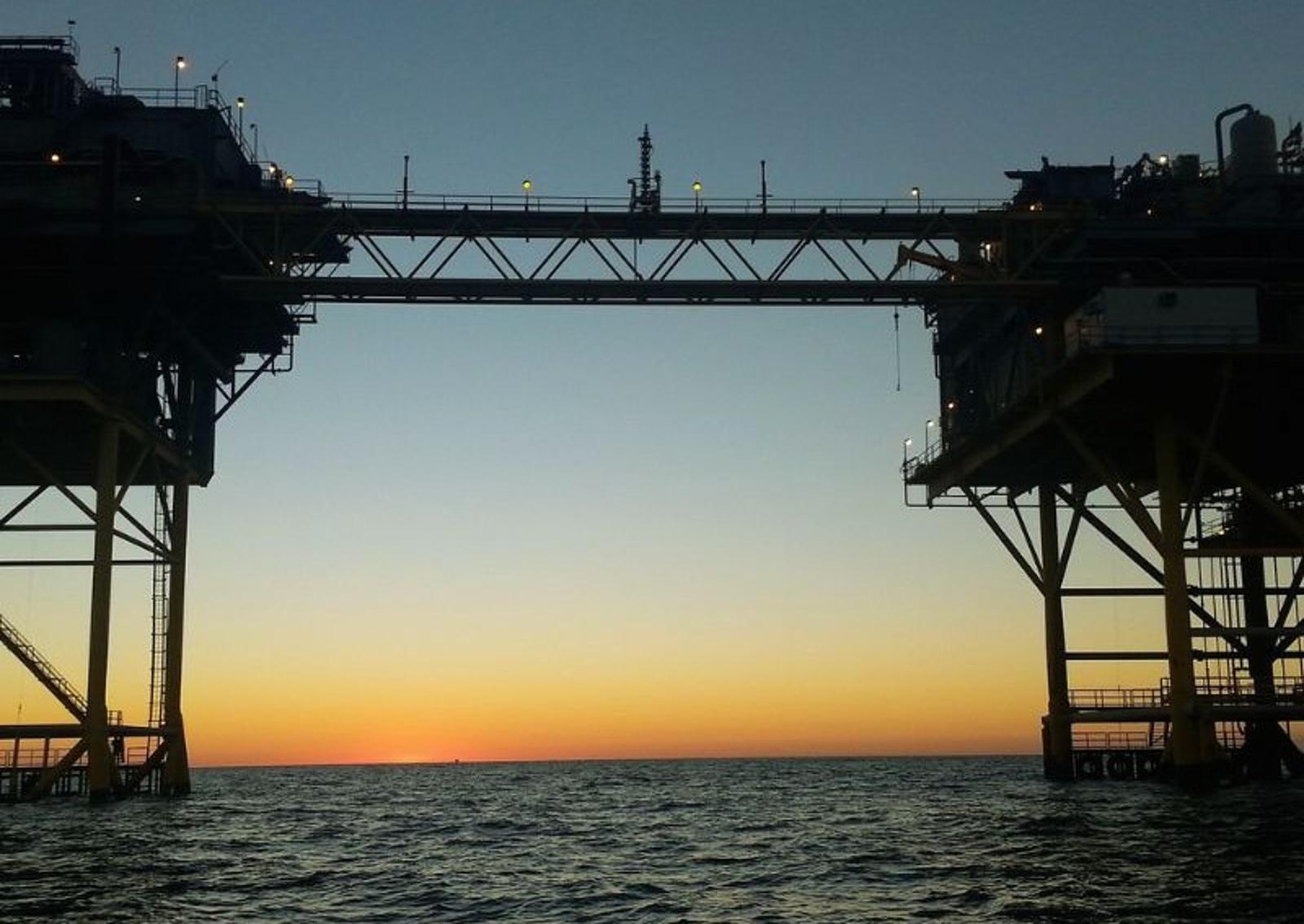
The upstream oil and gas industry is operating in increasingly demanding environments. As accessible reserves decline, operators are moving further offshore into deepwater, ultra-deepwater and high-pressure/high-temperature developments. Today, many offshore assets operate in water depths greater than 1,500 metres, with some developments approaching 3,000 metres. Deepwater fields now account for an estimated 40-45% of global offshore oil production.
While the industry has successfully expanded the limits of offshore exploration, a more significant challenge has emerged. The challenge is not reaching extreme conditions, the challenge is operating reliably within them for decades.
In ultra-deepwater environments, a single intervention campaign can cost more than $1 million per day. Complex recovery operations can quickly escalate into tens of millions of dollars. As a result, equipment reliability has become a fundamental design requirement rather than a performance objective.
At the centre of this challenge are high-pressure fluid power systems. These systems generate, store and control the energy required to operate safety-critical equipment throughout offshore facilities. From well control and emergency shutdown systems to structural integrity and pressure verification, dependable pressure generation underpins safe and efficient operations.
The industry's defining question is no longer how much pressure a system can produce. It's whether that system will perform flawlessly when it matters most.
What High-Pressure Fluid Power Does In Upstream Operations
Fluid power uses pressurised hydraulic fluid or compressed gas to generate and control mechanical force. In upstream oil and gas operations, these systems perform some of the industry's most important functions. They provide hydraulic power for valves and actuators, support well control systems, maintain pressure integrity and enable critical testing and maintenance activities.
Common applications include wellhead control systems, blowout preventers (BOPs), emergency shutdown valves, bolt tensioning equipment, accumulator charging systems and hydrostatic testing packages. Reliability is directly linked to safety.
When pressure systems operate consistently, critical equipment performs as intended.
When pressure generation becomes unstable or unavailable, operational risk increases rapidly. Downtime rises. Intervention costs grow. Safety margins tighten.
This becomes particularly important offshore, where operating pressures often exceed 10,000 psi and maintenance access is limited. Under these conditions, dependable performance is essential.
Critical Applications Where Reliability Matters Most
Wellhead Control and Blowout Preventers
Blowout preventers provide the final line of defence against uncontrolled well events. These systems are designed to rapidly seal the wellbore during abnormal operating conditions. Their effectiveness depends on the ability to deliver immediate hydraulic force, regardless of surrounding conditions.
Because electrical power may not always be available during an emergency, BOP systems rely heavily on stored hydraulic energy. This energy is typically maintained through high-pressure accumulator banks charged with compressed nitrogen gas. Maintaining the correct accumulator charge pressure is vital. If stored energy levels fall below required thresholds, system response can be compromised.
High-pressure gas boosters are therefore used to charge and maintain accumulators, helping ensure hydraulic energy is available whenever emergency actuation is required.
In these applications, reliability is measured by more than pressure output. Systems must deliver precise pressure control, withstand long periods of inactivity and operate safely in hazardous offshore environments.
Emergency Shutdown Valves
Emergency shutdown valves are designed to isolate pipelines and equipment when abnormal conditions occur. Their purpose is simple but critical.
Prevent incidents from escalating and protect personnel, assets and the environment. To achieve this, the actuation system must generate sufficient force to close the valve within strict time limits. Performance depends on reliable pressure generation, rapid response capability and fail-safe operation.
Redundancy also plays an important role. Safety-critical shutdown systems frequently incorporate backup pressure sources and stored energy systems to ensure valve actuation remains available even if primary equipment fails. In an emergency, uncertainty is unacceptable. The system must perform exactly as designed, every time.
Bolt Tensioning
Maintaining structural integrity is essential throughout offshore infrastructure.
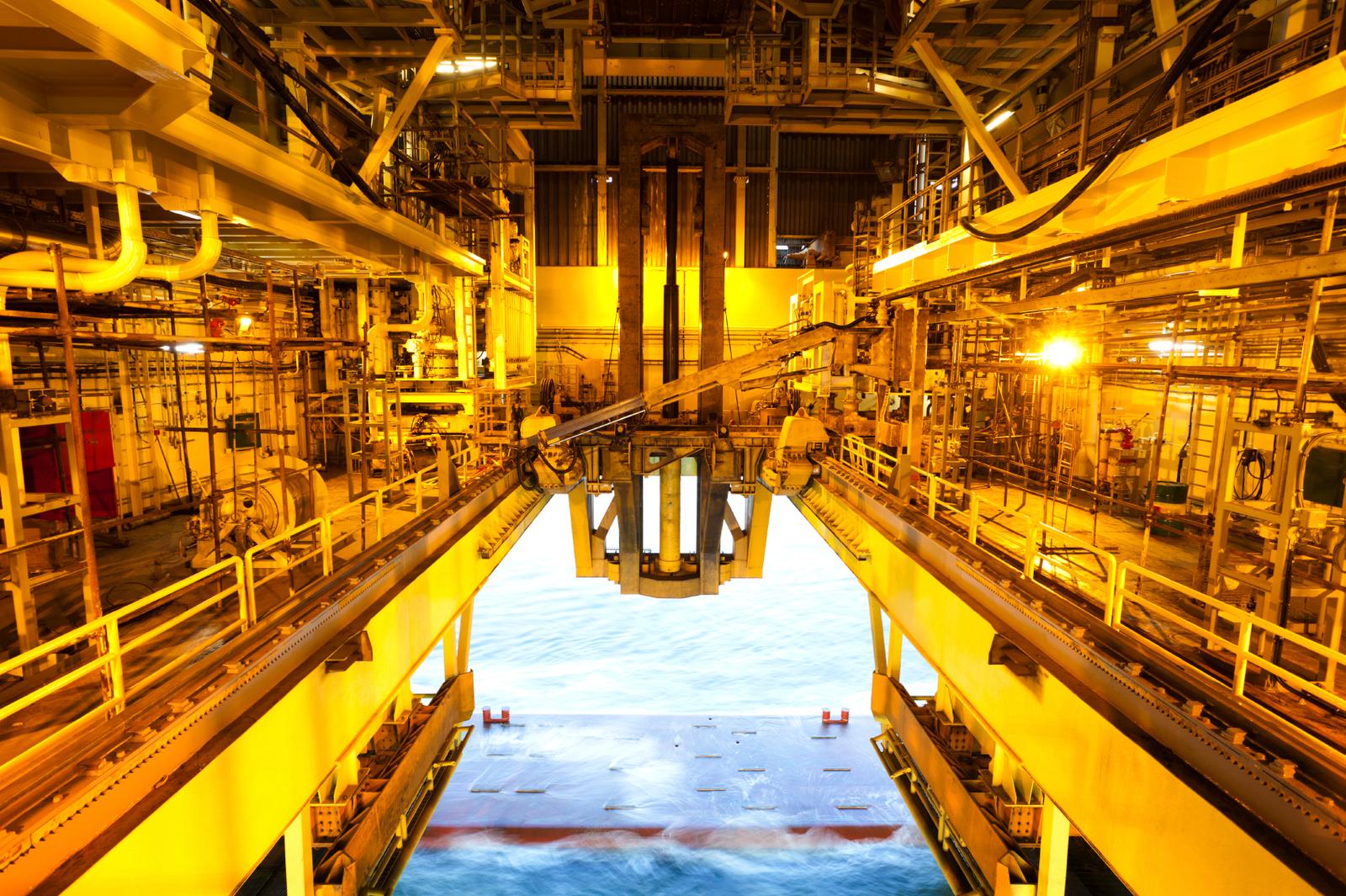
From pipelines and wellheads to pressure vessels and subsea connectors, bolted flange connections are relied upon to contain pressure safely. The performance of these connections depends on achieving the correct bolt preload.
Insufficient preload can contribute to gasket failure, pressure leakage, flange distortion and long-term structural fatigue.
Hydraulic bolt tensioning provides a highly controlled method for applying preload forces. Unlike conventional torque-based tightening methods, hydraulic tensioning reduces the impact of friction and delivers more consistent results across multiple fasteners.
Achieving this level of accuracy requires dependable high-pressure hydraulic equipment. Pressure must be generated precisely, maintained consistently and released safely at the end of the operation. In critical pressure-containing systems, precision directly supports reliability.
Hydrostatic Testing
Before pressure equipment enters service, operators must verify its integrity. Hydrostatic testing remains one of the most widely used methods for confirming pressure containment performance. The process involves filling equipment with liquid, typically water, and pressurising it above normal operating levels to verify structural integrity.
Hydrostatic testing is commonly performed during pipeline installation, equipment certification, maintenance activities and regulatory compliance programmes. Successful testing requires far more than simply generating pressure. Operators need precise control throughout the process. Pressure must increase gradually, remain stable throughout the holding period and be released safely once testing is complete.
High-pressure pumps, intensifiers, control valves and isolation components all play a role in delivering safe and repeatable test results. The engineering demands behind dependable systems. Reliable pressure systems are built on sound engineering principles.
Offshore environments expose equipment to corrosion, temperature fluctuations, contamination and extreme operational loads. These conditions place considerable demands on every component within a pressure system.
Pressure stability is one of the most important requirements. Valves, actuators and safety systems depend on consistent operating pressures to perform reliably. Even small variations can affect system behaviour.
Material selection is equally important. Saltwater exposure accelerates corrosion and material degradation. Offshore pressure systems therefore often utilise stainless steel, duplex alloys and other corrosion-resistant materials to maximise service life. Leak prevention is another critical consideration.
Advanced sealing technologies help maintain pressure containment under demanding operating conditions. In many applications, metal-to-metal sealing systems provide long-term performance where conventional sealing approaches may be insufficient. Safety-critical systems must also eliminate single points of failure. Redundant pressure sources, backup accumulators and monitoring systems help maintain functionality during equipment faults or emergency situations.
The ultimate goal is long-term reliability with minimal intervention. In ultra-deepwater environments, the best maintenance strategy is often avoiding maintenance altogether through robust system design.
Why Pneumatic And Air-Driven Systems Remain Essential
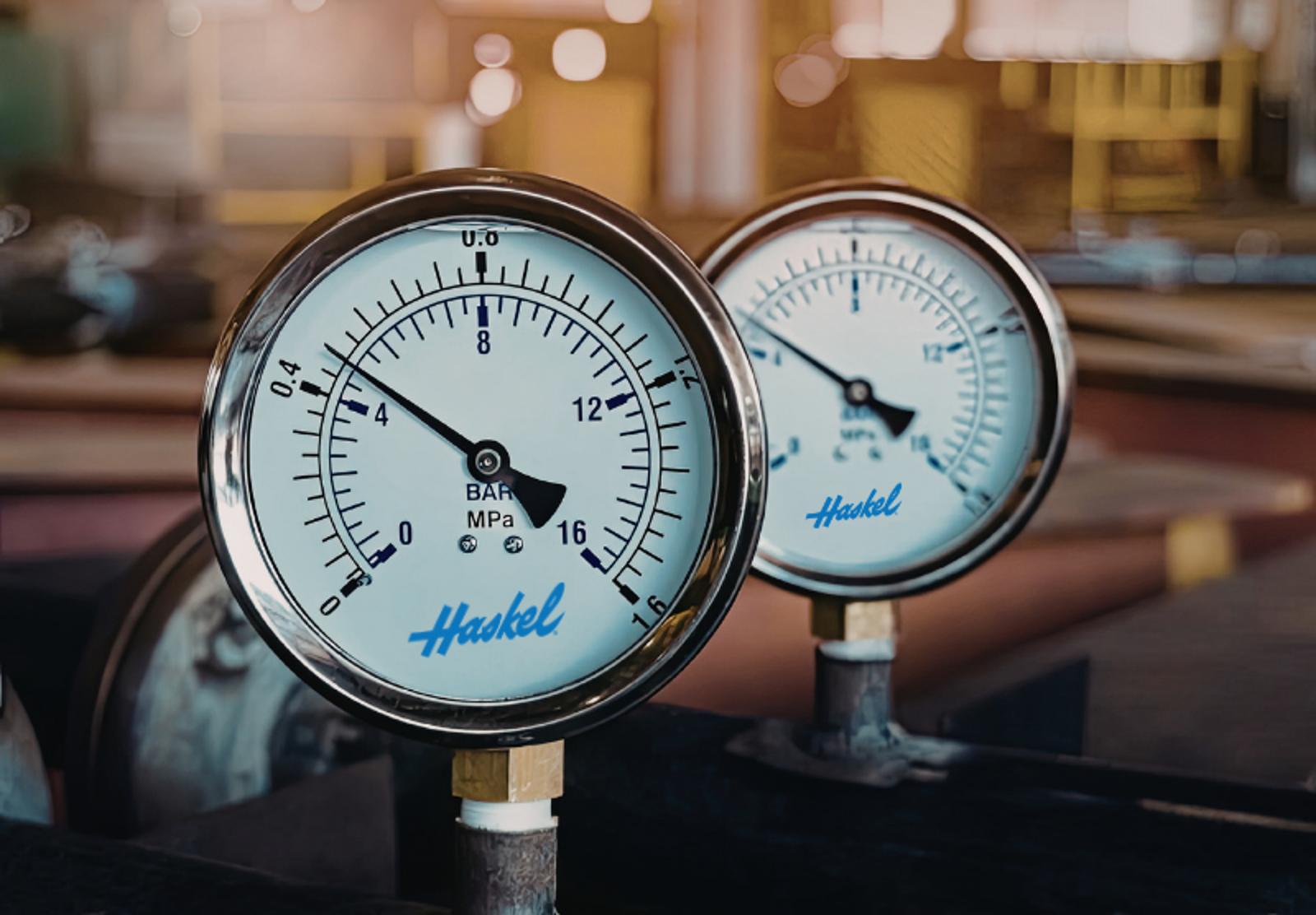
Electrification continues to reshape offshore infrastructure. However, electrical systems are not always the preferred solution for safety-critical applications. Emergency scenarios, hazardous environments and power interruptions can all affect system availability. For this reason, pneumatic and air-driven technologies remain widely used across the offshore sector.
Air-driven pumps and gas boosters operate independently of electrical power. They also help minimize ignition risks in hazardous environments while providing reliable pressure generation for critical applications. These systems are particularly valuable for accumulator charging, pressure maintenance and emergency actuation duties where dependable operation must be maintained regardless of external power availability. As offshore infrastructure becomes increasingly automated, pneumatic systems continue to provide an important layer of resilience within broader pressure-control architectures.
What The Future Means For High-Pressure Fluid Power
The next generation of offshore infrastructure will place even greater demands on fluid power systems. Digital monitoring technologies are already helping operators track system performance in real time.
By identifying performance trends and potential failures earlier, predictive maintenance strategies can help improve reliability and reduce unplanned downtime.
At the same time, hybrid electro-hydraulic systems are becoming increasingly common. These solutions combine the control benefits of electrification with the proven force and reliability of hydraulic actuation.
The energy transition will also influence future system design. As hydrogen and alternative gases become more widely adopted, pressure systems will need to support new operating requirements while maintaining the same levels of safety and reliability.
Despite these changes, the fundamental challenge remains unchanged - as operating pressures increase, system reliability will continue to define performance.
Reach Out To Us