
Handling Liquefied Carbon Dioxide (LCO₂)
Applications, Storage Methods, and Pumping Considerations
Executive Summary
Liquefied carbon dioxide (LCO₂) is a critical industrial fluid used across a wide range of industries due to its favorable safety profile, high storage density, and predictable thermodynamic behavior. While its commercial applications are well established, the method by which LCO₂ is stored, particularly whether it is maintained at ambient temperature or under refrigeration, has a significant impact on system design, pumping performance, and operational reliability.
This article provides an overview of key LCO₂ applications before exploring the technical differences between ambient temperature dip tube storage and refrigerated CO₂ storage. Particular emphasis is placed on how storage conditions influence vapor pressure, liquid stability, and the selection of pumping technologies for high-pressure applications.
1. Introduction
Liquefied carbon dioxide occupies a unique position among industrial gases. It is non-flammable, chemically stable, and capable of being stored as a dense liquid under relatively moderate conditions. These characteristics have driven widespread adoption across industries ranging from food processing and manufacturing to energy and environmental applications.
However, CO₂ exhibits a steep vapor-pressure curve, particularly at ambient temperatures, meaning storage temperature and pressure must be carefully matched to downstream process requirements. When liquid CO₂ must be pressurized for injection, processing, testing, or transport, the choice of storage method becomes a critical engineering consideration.
2. Commercial Applications of Liquefied Carbon Dioxide
2.1 Food and Beverage
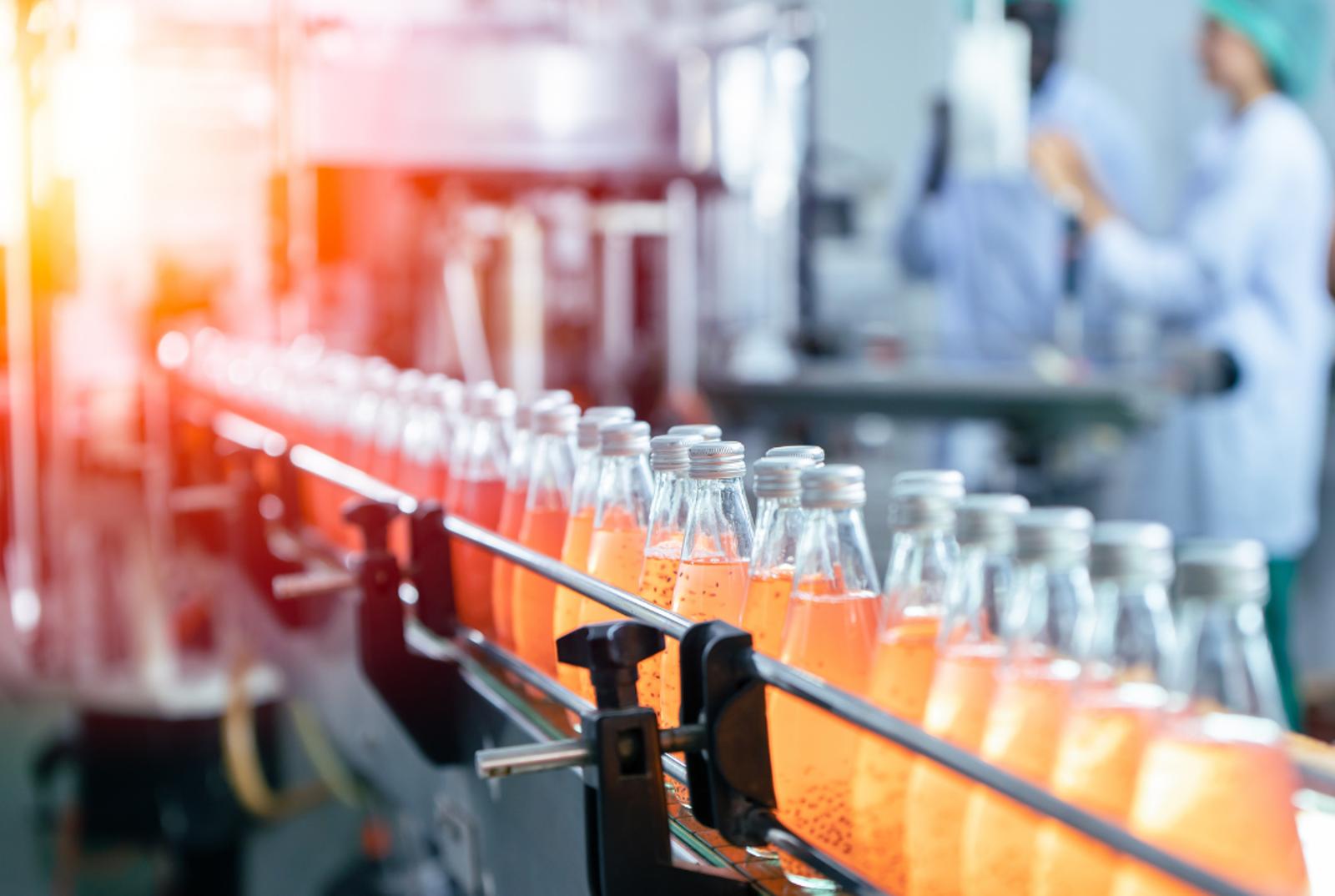
LCO₂ is the industry standard for carbonating soft drinks, beer, sparkling water, and wine. Under pressure, it dissolves to form carbonic acid, providing effervescence, flavor stability, and microbial inhibition. Upon controlled expansion, liquid CO₂ delivers high cooling capacity and is widely used for flash freezing and chilling of meat, seafood, bakery products, and prepared foods, preserving texture and product quality.
LCO₂ also plays a central role in modified atmosphere packaging (MAP), where it displaces oxygen to slow spoilage, and in the decaffeination of coffee and tea using solvent free extraction processes.
2.2 Chemical Processing and Manufacturing
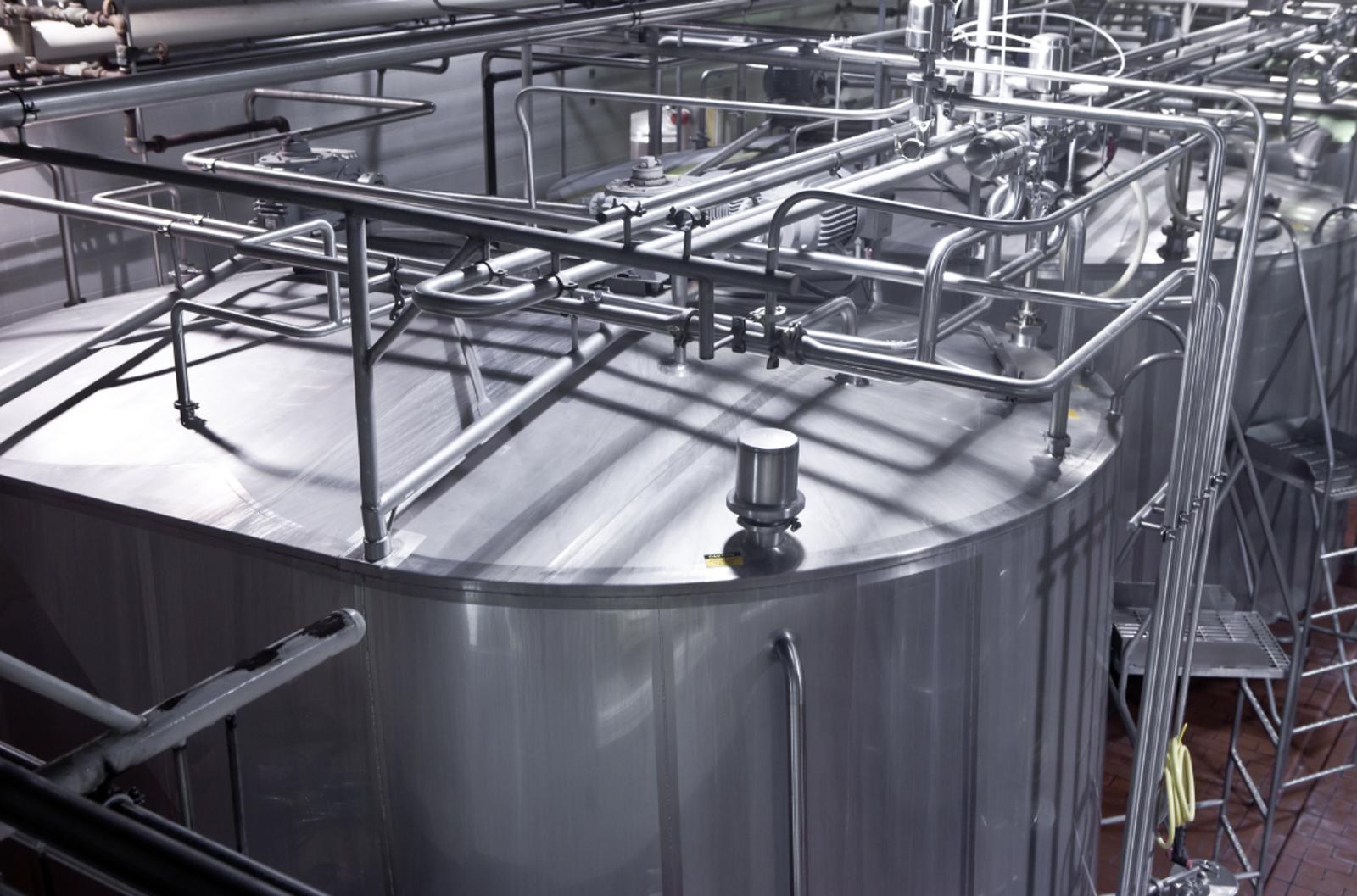
In chemical and materials processing, liquid CO₂ serves as both a feedstock and a process medium. It is used in the production of urea, methanol, carbonates, and CO₂ based polyols, as well as for residue free extraction of flavors, essential oils, and pharmaceutical compounds. In metalworking, CO₂ is commonly used as a shielding gas in MIG/MAG welding and as a reactant in foundry mold hardening.
2.3 Agriculture and Healthcare
Agricultural applications include greenhouse enrichment to enhance photosynthesis and crop yield, as well as non‑chemical pest control in grain storage through oxygen displacement. In healthcare, CO₂ is the standard insufflation gas for laparoscopic surgery and is used for cryotherapy and localized cooling treatments.
2.4 Energy and Environmental Applications
Liquefied CO₂ is a cornerstone of carbon capture, transport, and storage (CCS) infrastructure and is widely used in enhanced oil recovery operations. Additional uses include fire suppression systems and special‑effects generation through controlled expansion.
3. Storage Methods for Liquefied CO₂
3.1 Ambient‑Temperature Dip‑Tube Storage
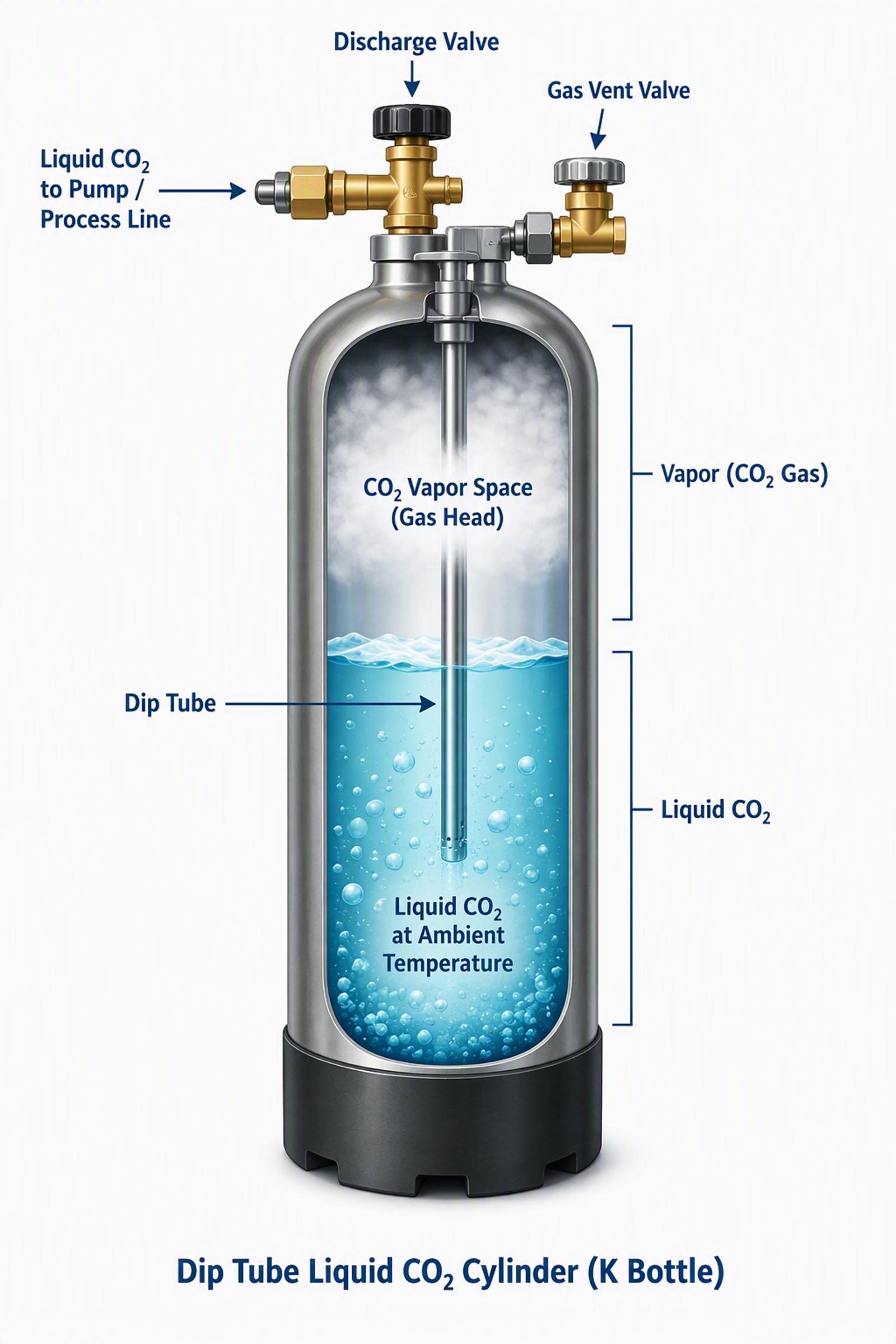
In ambient‑temperature dip‑tube systems, liquid CO₂ is stored at or near room temperature within a pressure vessel and withdrawn through an internal dip tube that extends into the liquid phase. A vapor space containing gaseous CO₂ exists above the liquid. This vapor is maintained at the saturation pressure corresponding to the liquid temperature.At typical ambient conditions, the vapor pressure of liquid CO₂ is approximately 900 psig. This high head pressure acts directly on the liquid surface, forcing liquid CO₂ down the dip tube and out of the vessel at essentially the same pressure. As a result, the pump inlet is supplied with high‑pressure liquid CO₂ that is already at thermal equilibrium with the pumping equipment.
Because the liquid does not experience significant temperature change upon entering the pump, the tendency for flashing is minimal. This greatly reduces cavitation risk and enables efficient pressure boosting using conventional high-pressure liquid pumps.
For optimal performance, pumps equipped with a distance piece are preferred to maintain media cleanliness and provide thermal isolation between the air drive and liquid end. Pumps without a driven suction stroke are also strongly recommended. By allowing inlet pressure to refill the pump naturally, rather than forcing refill mechanically, the risk of localized pressure drop and vapor formation is minimized.
One example is the Haskel DSF pump with the 3-Way Cycling Modification, which combines seals suited for liquid CO₂ service, a distance piece, and a disabled driven suction stroke to support reliable operation in demanding LCO₂ applications.
Ambient temperature dip tube storage is particularly well suited to applications requiring high discharge pressures, operational simplicity, and robust reliability. The primary limitation is storage capacity. Due to the higher pressures involved, storage vessels are typically smaller, often using "K" bottles with a volume of approximately 1.7 ft³ (48 liters). Applications requiring larger volumes of liquid CO₂ may therefore require multiple cylinders connected in parallel.

3.2 Refrigerated CO₂ Storage
Refrigerated storage systems maintain liquid CO₂ at much lower temperatures - typically near 0 °F - in order to reduce vapor pressure. Under these conditions, saturation pressure may fall into the 250–300 psig range, allowing the use of lower‑pressure storage vessels.
While reduced storage pressure is advantageous, it introduces additional design challenges for pumping. Cold liquid CO₂ is highly sensitive to heat input. Even small temperature increases without a corresponding pressure rise can cause rapid flashing. To prevent this, downstream piping must be fully insulated, and the pump itself must be managed as a cryogenic component.
Pumping systems for refrigerated CO₂ must maintain the liquid at or below its storage temperature throughout the inlet and compression process. This typically requires pumps with integrated cooling jackets, supplied with chilled glycol or another suitable coolant. In some specialized systems, liquid CO₂ itself may be used as the cooling medium.
Haskel's ALG pump range has been specifically developed for these applications. Based on the proven DSF design, ALG pumps incorporate a disabled suction stroke and an integrated cooling jacket to help maintain liquid stability throughout the pumping process.
In a typical installation, the pump is connected to the insulated CO₂ supply line, the process outlet, the drive air supply, and the cooling circuit. Before operation, the coolant system is activated to bring the pump temperature to or below the liquid CO₂ storage temperature. Once thermal equilibrium is achieved, drive air can be applied and pumping can begin.
4. Pumping Considerations: Ambient vs. Refrigerated Storage
From a pumping and system design perspective, ambient temperature dip tube storage is generally the more forgiving option. Liquid CO₂ remains thermodynamically stable during pressure intensification, enabling straightforward compression to high pressures with minimal auxiliary equipment.
Refrigerated storage, while attractive for bulk storage and lower-pressure containment, requires tighter thermal management, specialized pumping equipment, insulated piping, and greater overall system complexity when pressure boosting is required.
Understanding these differences early in the design phase can help improve reliability, reduce maintenance requirements, and ensure consistent system performance.
5. Conclusion
Both ambient temperature and refrigerated storage methods are well-established approaches to handling liquefied carbon dioxide, but they serve different operational objectives.
For applications requiring pressure intensification, ambient temperature dip tube storage offers simplicity, stability, and reliable pumping performance. Refrigerated storage is often preferred for bulk storage applications where lower vessel pressures are desirable and pressure boosting requirements are limited.
Selecting the right combination of storage method and pumping technology is essential to achieving safe, efficient, and cost-effective LCO₂ system performance. With extensive experience in high-pressure liquid pumping, Haskel provides proven solutions designed to meet the unique challenges of CO₂ handling and pressure intensification across industrial applications.
Reach Out To Us